 blog
Is Delivery Driving a Good Career Path?
Last Updated: October 30, 2026
Quick Summary
Is delivery driving a good career path? It can be, for people who want active work, route-based independence, and a job they can start without a long credential process. It suits those who tolerate physical demands over years, but it is less suited to people needing predictable hours, low physical strain, or high first-year pay.
- Physical wear from lifting, stairs, and long hours builds up over time.
- Compare offers on net weekly income, not the advertised hourly rate.
- Contractors often pay their own fuel, maintenance, insurance, and self-employment tax.
- Confirm your auto policy covers delivery use before starting a contractor role.
- Ask how schedules are set, since peak-season hours can run ten to twelve hours.
Table of Contents
- Delivery Driver Job Duties and a Typical Day
- Delivery Driver Pros and Cons
- How Much Delivery Drivers Really Earn After Costs
- Delivery Driver Job Requirements and Skills
- Physical Demands, Schedule, and Work-Life Balance
- Delivery Driver Career Growth and Advancement Paths
- Deciding If Delivery Driving Fits Your Next Step
- Frequently Asked Questions
Delivery Driver Job Duties and a Typical Day
Is delivery driving a good career path? For many people, the answer starts with what the day actually looks like.
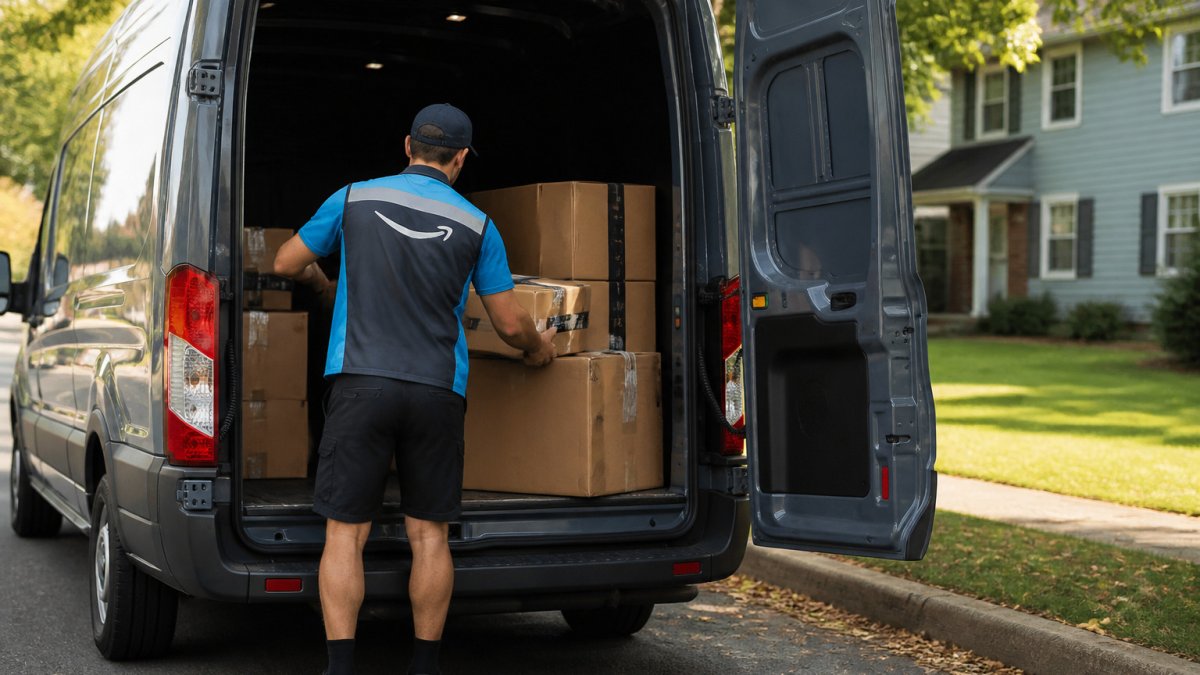
A typical shift usually runs like this:
- Check in and load the van before the route starts
- Scan each package and confirm the delivery address
- Drive between stops, often on the same streets each day
Most of the day is spent moving. You will be in and out of the van dozens of times.
Delivery Driver Pros and Cons
Delivery driving has real advantages, but it also has trade-offs that many people underestimate.
Pros:
- Steady demand. Online shopping keeps parcel volume high in most regions.
- Active work. You are on your feet and moving, not stuck at a desk.
- Independence. Once the route starts, you manage your own pace.
Cons:
- Physical wear. Lifting, climbing stairs, and long hours take a toll over time.
- Vehicle costs. Depending on the employer, fuel, maintenance, and insurance can fall on you.
- Weather and traffic. Bad conditions slow every stop and add stress.
Watch out: Peak season often brings the longest hours. Ask about typical overtime before you accept a role.
The article weighs the main advantages and trade-offs of delivery driving side by side.
| Factor | Pro | Con |
|---|---|---|
| Demand | Steady demand from online shopping | Peak season brings longer hours |
| Work style | Active work, on your feet | Physical wear over time |
| Pace | Independence once the route starts | Weather and traffic slow every stop |
| Entry | Valid license and clean record | Vehicle costs may fall on you |
How Much Delivery Drivers Really Earn After Costs
Gross pay tells only part of the story. A driver earning a solid hourly rate can keep far less once vehicle, fuel, insurance, and tax costs are subtracted, and the size of that gap depends almost entirely on whether you are a W-2 employee in a company vehicle or a 1099 independent contractor using your own car.
Employee vs. contractor: the cost structure flips
When you are a W-2 employee driving a company van, the employer typically covers the vehicle, fuel, maintenance, and commercial insurance. Your paycheck is smaller per hour, but almost all of it is take-home pay.
When you are a 1099 contractor driving your own vehicle, the headline rate looks bigger, but you absorb the costs the employer would otherwise carry. That includes:
- Fuel, the single largest variable cost, and it swings with gas prices and route density
- Vehicle wear, brakes, tires, and oil changes arrive far more often on stop-and-go routes than on highway miles
- Commercial or rideshare-style insurance, a personal auto policy often will not cover delivery use, so a separate endorsement or policy is usually required
- Self-employment tax, contractors pay both the employee and employer portions of Social Security and Medicare, which is a meaningful percentage of net profit
A realistic way to compare two offers
Do not compare the advertised hourly rate. Compare net weekly income using a simple worksheet:
- Estimate gross weekly pay (hours × rate, or expected deliveries × per-delivery pay).
- Subtract fuel for the week (miles ÷ your vehicle's miles per gallon × local gas price).
- Set aside a per-mile maintenance reserve, a common rule of thumb among owner-operators is to bank a fixed amount per mile for tires, brakes, and repairs.
- Subtract insurance premiums prorated to the week.
- Subtract the self-employment tax share if you are a contractor.
- Subtract unpaid waiting and deadhead time from your effective hourly rate.
Run both offers through the same worksheet. A contractor role at a higher headline rate frequently nets less than an employee role once steps 2 through 6 are applied, and the employee role usually adds benefits on top.
Role type changes the math
Parcel and grocery delivery in a company vehicle tend to produce the most predictable net pay because the employer carries the vehicle costs. Food delivery and independent-contractor parcel work can pay more per hour on paper but shift fuel, insurance, and tax risk onto the driver. These financial pressures often intensify when drivers attempt to meet fast delivery expectations, a common source of stress that complicates the reality of whether such speed is truly achievable.
Delivery Driver Job Requirements and Skills
Most delivery roles are accessible, but employers still look for specific qualifications:
- A valid driver's license, often with a clean driving record
- Physical stamina for lifting and repeated stops
- Basic smartphone and scanner skills
- Good time management and navigation
Strong soft skills make a difference. Drivers who stay calm during delays and communicate clearly with customers tend to stand out to supervisors.
Physical Demands, Schedule, and Work-Life Balance
The physical demands are the first thing most new drivers notice, and they are also the reason many drivers leave the job within a year or two. Understanding the specific strains, and how schedule and coverage interact with them, is the difference between picking a sustainable role and burning out.
What the body actually does all day
A parcel or food route is not one continuous task; it is hundreds of small ones. Expect:
- Frequent lifting and carrying, packages range from envelopes to heavy boxes, and you lift them dozens of times per shift
- Repeated entry and exit, climbing in and out of the vehicle can happen more than a hundred times a day on dense routes
- Stairs and uneven ground, apartment buildings, loading docks, and residential steps add strain that flat-ground walking does not
- Prolonged sitting between stops, long stretches behind the wheel contribute to back and hip tightness
Many drivers find the first few weeks are the hardest as the body adapts. The bigger risk is cumulative: drivers who ignore early aches often develop overuse injuries months later. Stretching between stops, using a hand truck where the route allows, and lifting with the legs rather than the back are the habits that separate drivers who last from those who do not.
Fatigue and road risk
Delivery driving combines two fatigue sources: physical exertion and time behind the wheel. Long shifts during peak season, holiday parcel volume in particular, can push drivers past the point where reaction time and judgment decline. If a role routinely runs ten- or twelve-hour days in peak season, treat that as a safety consideration, not just a scheduling inconvenience.
Schedule, flexibility, and the end-of-route question
Many routes offer real flexibility: the work ends when the route is done. That structure suits people who want a clear end to the day and dislike rigid office hours. It suits others less well, early start times, weekend rotations, and seasonal spikes can be hard to fit around family or second jobs.
Ask how schedules are set before you accept an offer. This single detail affects daily life more than most job postings reveal.
Injury coverage and insurance, the question most drivers forget
If you are a W-2 employee, workers' compensation generally covers injuries that happen on the job, including while driving. If you are a 1099 contractor, you are typically responsible for your own health and injury coverage, and a personal auto policy may not cover delivery-related accidents. Before starting a contractor role, confirm what your auto policy covers, whether you need a commercial or delivery endorsement, and how you would pay for medical care if you were injured and unable to drive for several weeks.
How to judge whether the work is sustainable
Use these questions as a personal fit test rather than a generic pros-and-cons list:
- Can your body handle the lifting and stair work over years, not weeks?
- Does the schedule fit your family, sleep, and other commitments during peak season, not just in slow months?
- If you are a contractor, do you have injury and health coverage that does not depend on the job?
- Does the employer offer a path off the route, lead driver, dispatch, training, if your body needs a change?
Delivery Driver Career Growth and Advancement Paths
Delivery driving is often a starting point rather than a final destination. Common next steps include:
- Lead driver or route coordinator roles
- Dispatch or operations support
- Training new drivers
- Moving into warehouse or logistics management
Advancement depends on the employer. Before you commit, ask what advancement opportunities are available and what a driver who performs well for two years typically does next.
Deciding If Delivery Driving Fits Your Next Step
Delivery driving can be a good career path for people who want active work, a clear routine, and a job they can start without a long credential process.
To decide, weigh three questions. Can your body handle the physical demands over years, not weeks? Does the net pay after costs meet your needs? And does the employer offer a path forward if you want one?
If you want more practical guidance once you decide to pursue the role, read 7 Tips for New Delivery Drivers to Succeed. It covers how to build good habits from your first week on the route.
Frequently Asked Questions
Is delivery driving a good long-term career?
It can be, depending on what you want from work. Delivery driving offers steady, hands-on work with few formal education requirements and a clear entry point into the logistics industry. Long-term value depends on the employer: look for consistent scheduled hours, a competitive hourly wage, benefits such as health insurance, and advancement paths into dispatch, training, or station leadership. Drivers who stay in a role with those features for several years often find the work sustainable. Drivers who face unpredictable hours, no benefits, or no route to advancement usually find it hard to build a long-term career.
What are the pros and cons of being a delivery driver?
The main advantages are active work instead of a desk job, daily independence on routes, a lower barrier to entry than many careers, and the chance to learn a logistics operation from the ground up. The disadvantages include physical strain from lifting and long days on foot and behind the wheel, exposure to weather and traffic, pressure from delivery metrics, and vehicle and driving-record requirements. Weighing these honestly against your own health, schedule needs, and goals is the best way to decide whether the job fits.
How much do delivery drivers make?
Pay varies by employer, route, hours, and whether the job is full-time or part-time. Many delivery positions are hourly, and the most useful number to compare is the hourly rate combined with benefits and scheduled hours. Gig-based driving can look higher on paper, but drivers must subtract their own vehicle costs, fuel, insurance, and self-employment taxes to find real take-home pay. Ask any employer for the current hourly rate, typical weekly hours, and benefits details before comparing offers.
What skills do you need to be a delivery driver?
The core skills are a valid driver's license with a clean driving record, reliable time management, basic navigation and route-planning ability, comfort with handheld devices used for scanning and tracking, and solid customer service habits. Physical stamina for repeated lifting and walking matters as well. Problem-solving helps when addresses are unclear or a delivery cannot be completed as planned, and a safety-first attitude is essential for working around traffic and parked vehicles.